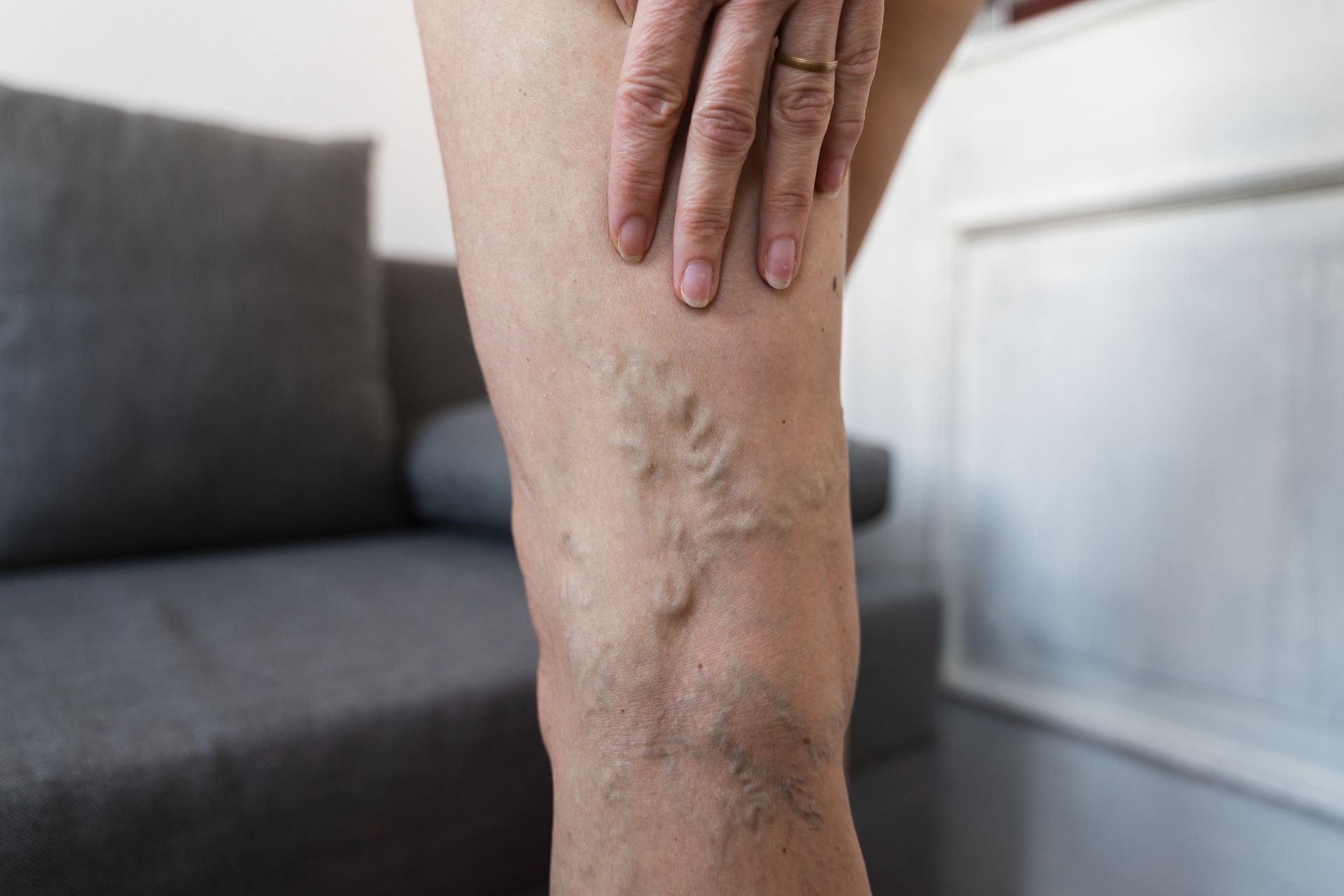
What Vein Treatment Clinic Experts Say About EVLA, Radiofrequency Ablation, and Sclerotherapy
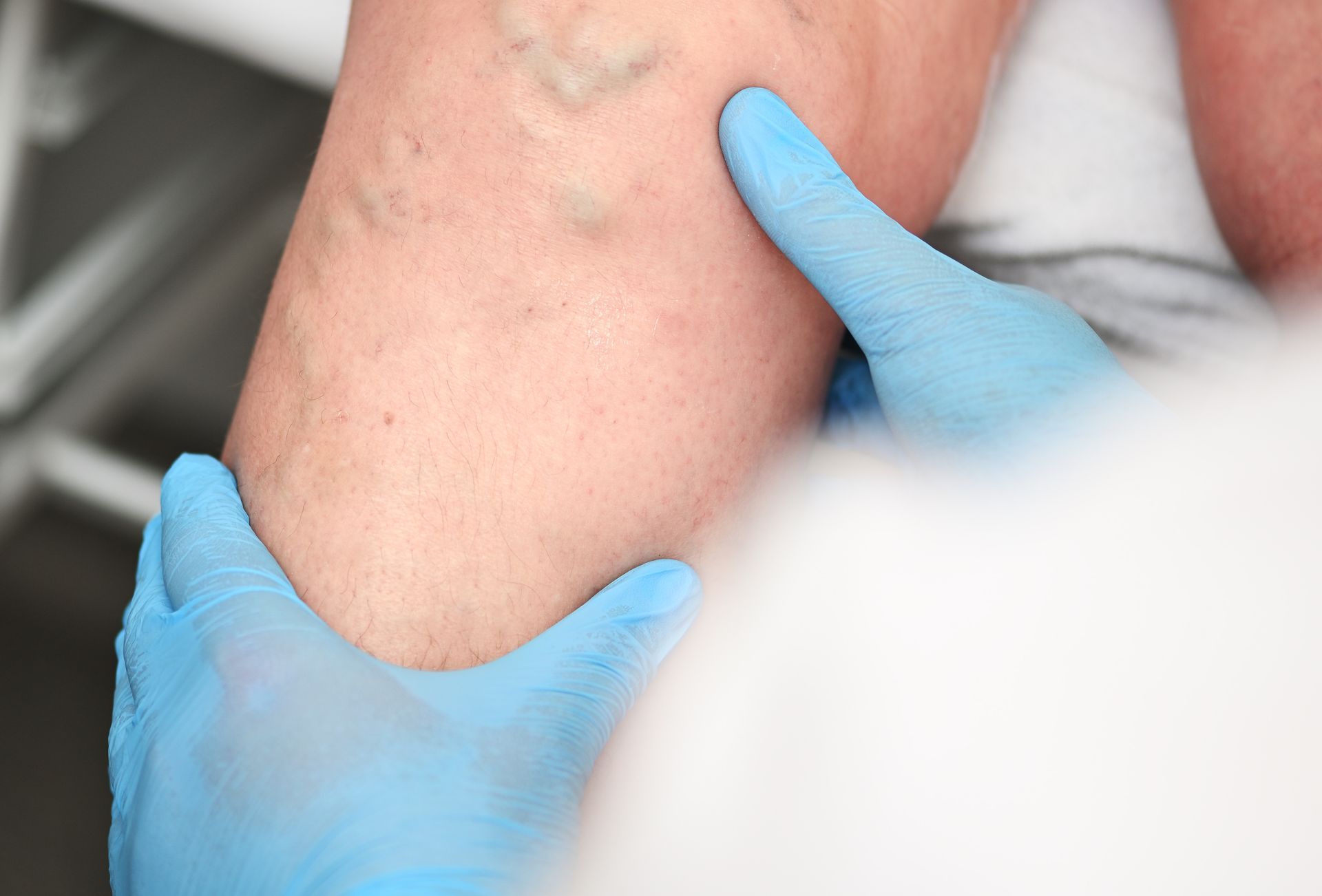
Residents near Buffalo Grove, IL, have access to several modern vein treatments. Knowing how EVLA, Radiofrequency Ablation, and Sclerotherapy compare can help you make better decisions before scheduling a consultation at a vein treatment clinic. This article covers how each procedure works, who tends to be a good candidate, what recovery looks like, and what to expect around insurance coverage.
What Is Endovenous Laser Ablation (EVLA) and Who Is It For?
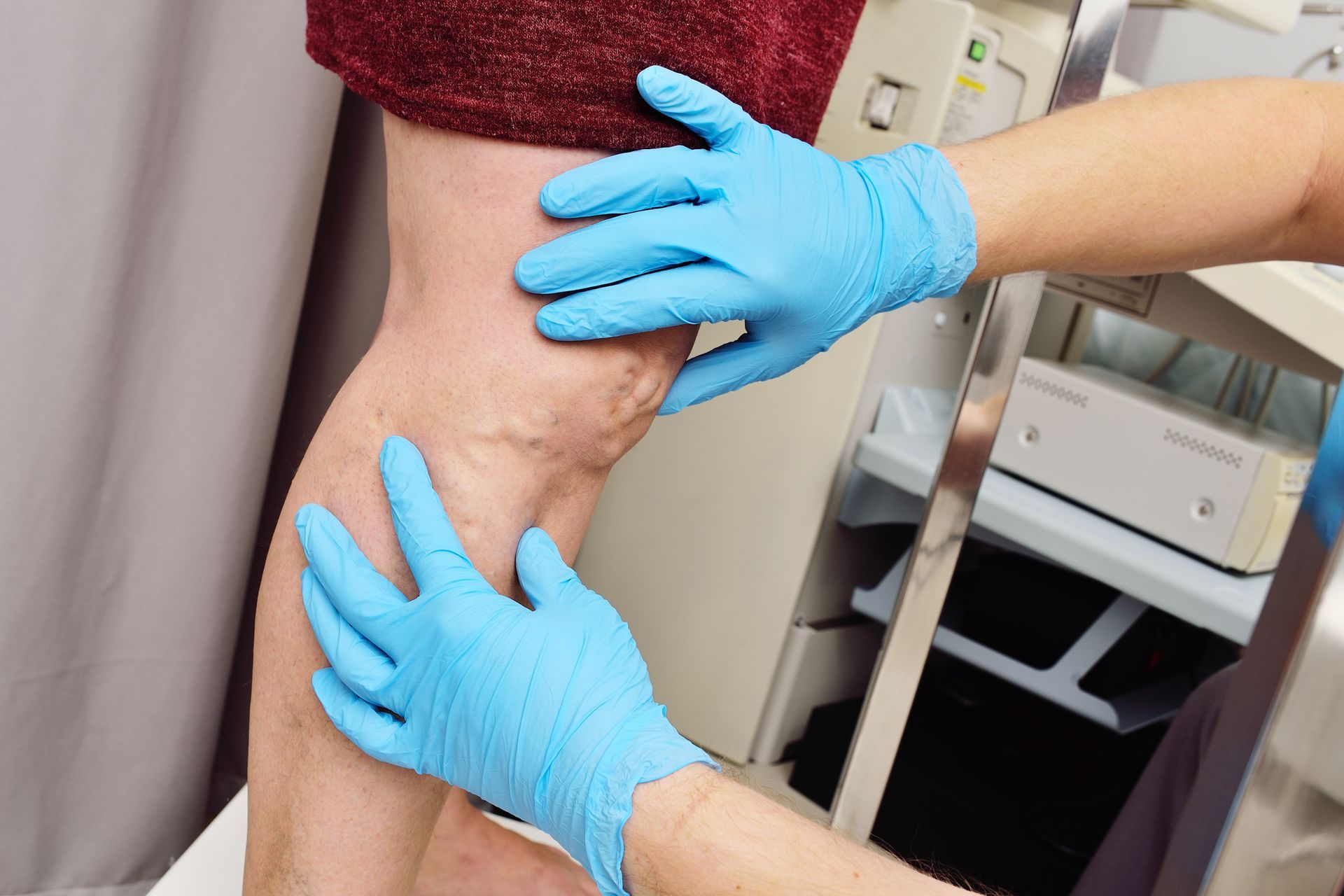
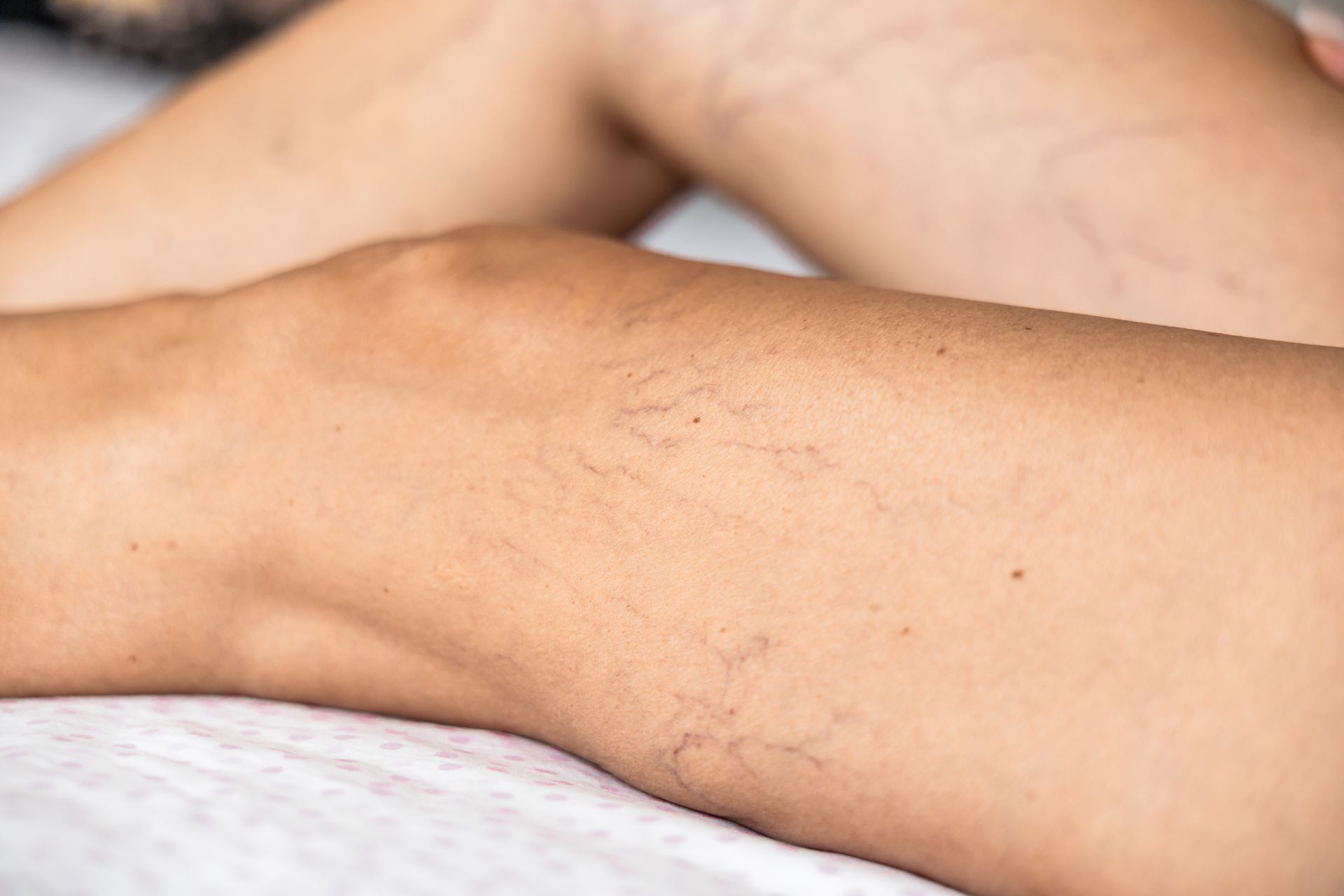
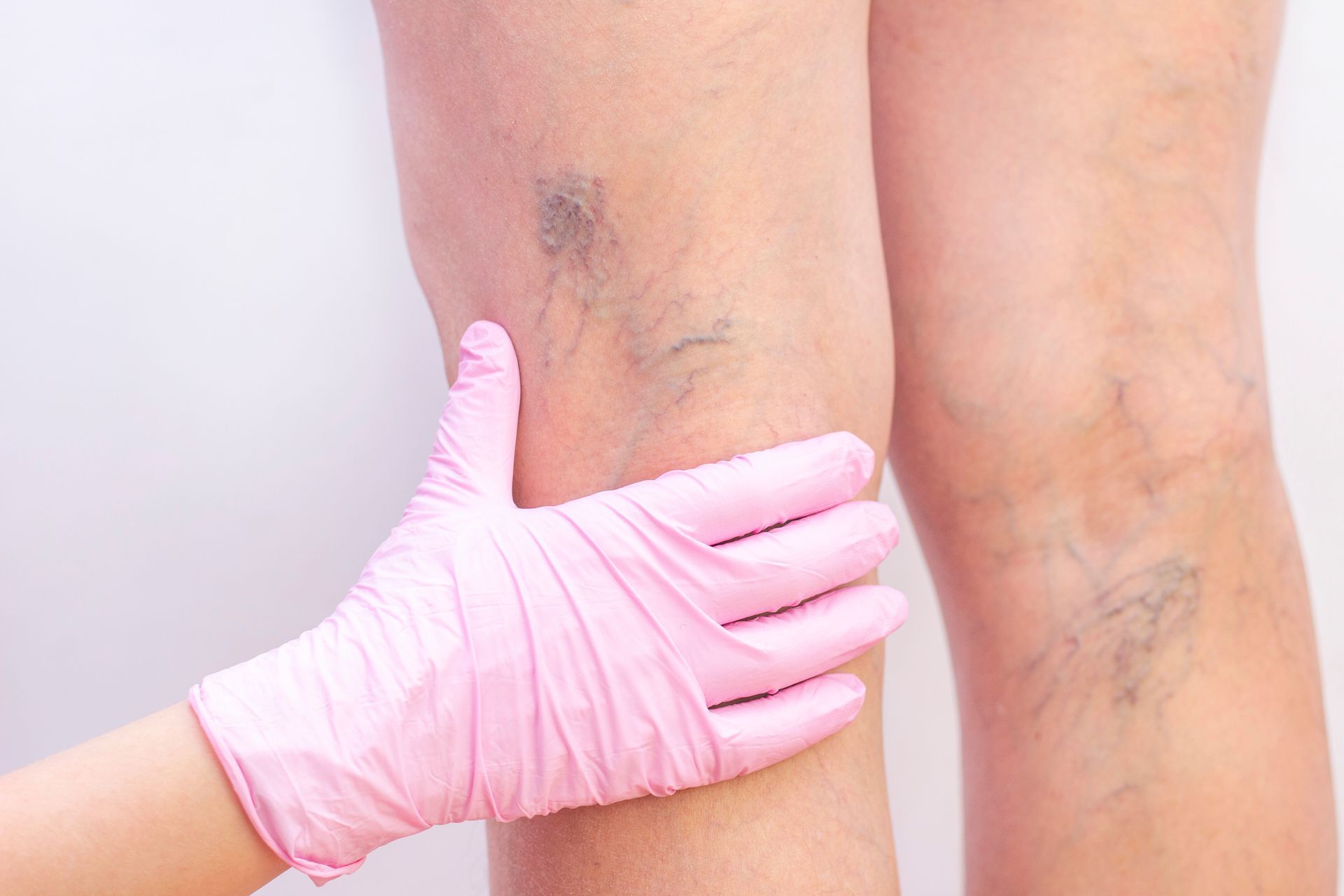
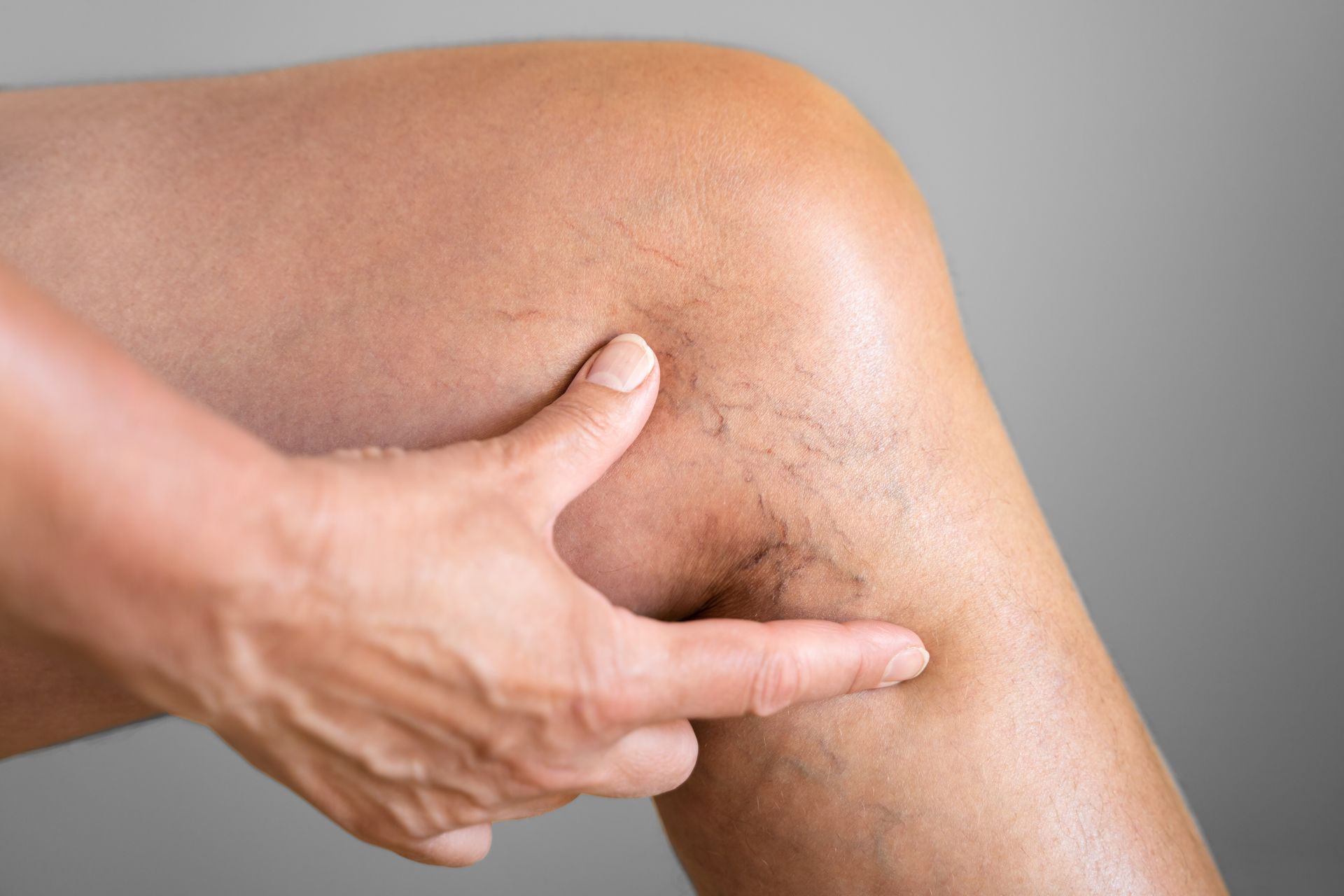
EVLA is a minimally invasive procedure that treats varicose veins using laser energy. It is typically recommended for patients with larger, symptomatic varicose veins affecting the great saphenous vein. A thin fiber is guided into the damaged vein under ultrasound, and laser-generated heat seals the vein wall shut. Blood then reroutes naturally through healthy nearby veins.
EVLA is performed under local anesthesia in an outpatient setting. Most patients return to light activity within a day or two. Some bruising and tenderness may occur in the first week, and compression stockings are typically recommended to support healing.
EVLA is widely recognized as a first-line option for venous insufficiency. To support insurance coverage, a qualified vein treatment clinic should document that the condition is causing symptoms such as pain, swelling, or skin changes rather than being purely cosmetic.
How Does Radiofrequency Ablation (RFA) Compare?
RFA and EVLA are closely related. Both are catheter-based and use heat to close diseased veins, but RFA uses radiofrequency energy instead of laser energy. A small catheter is inserted through a tiny incision, radiofrequency waves heat and collapse the vein wall, and blood flow redirects to healthier veins.
Similarities to EVLA
Both procedures are completed under local anesthesia in an outpatient setting, typically in under an hour. Patients may walk out shortly after treatment, and recovery timelines are generally similar.
Key Differences Worth Knowing
Some clinical comparisons suggest RFA may produce slightly less postoperative discomfort than older EVLA wavelengths. One published study found patients in the RFA group had a higher complication-free rate compared to those treated with EVLA. Both techniques deliver strong long-term outcomes, and a specialist at a reputable vein treatment clinic can help determine which approach fits your vein anatomy and health profile.
Like EVLA, RFA for symptomatic varicose veins may qualify for insurance coverage when conservative treatments such as compression stockings have already been tried.
Understanding Ultrasound-Guided Sclerotherapy
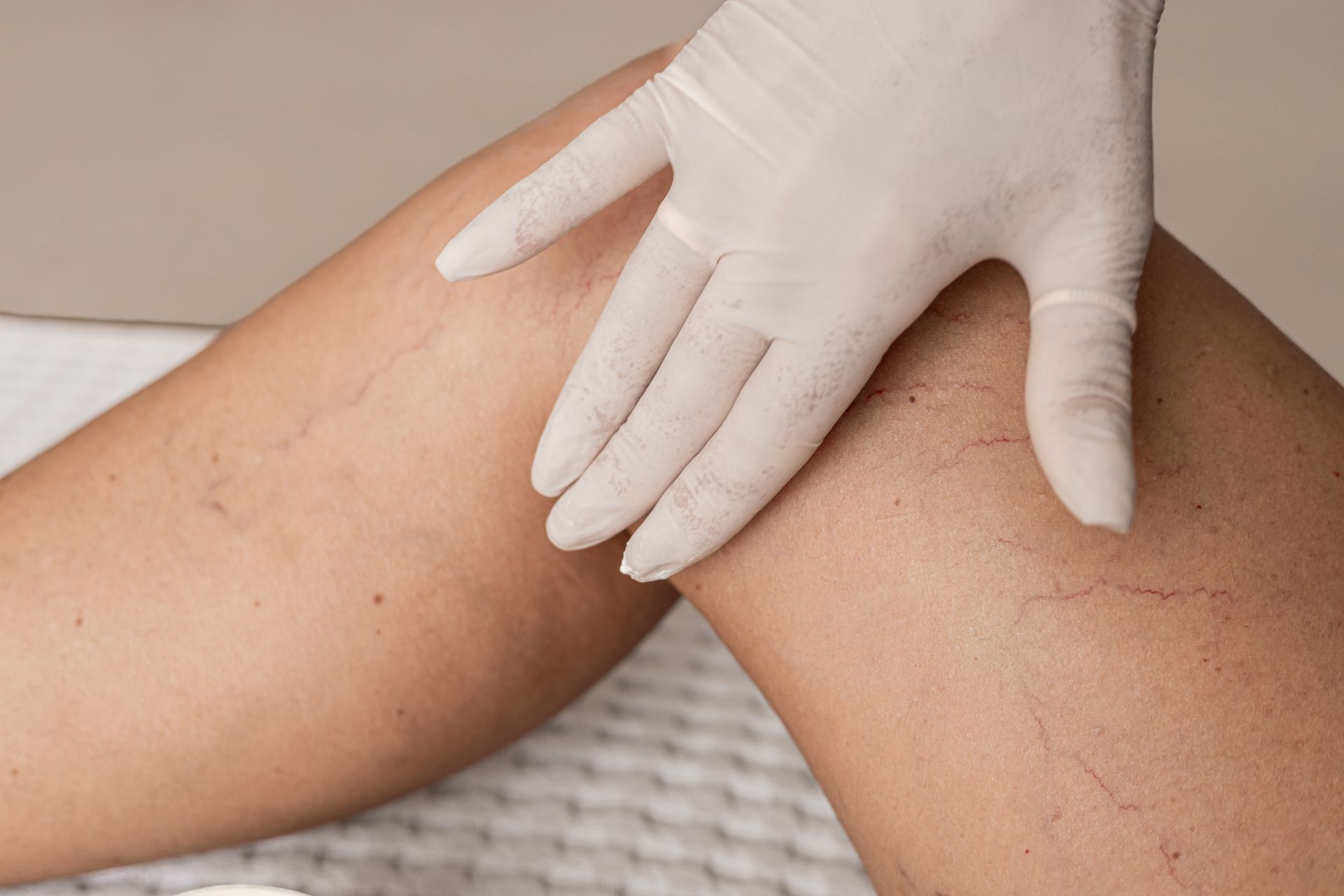
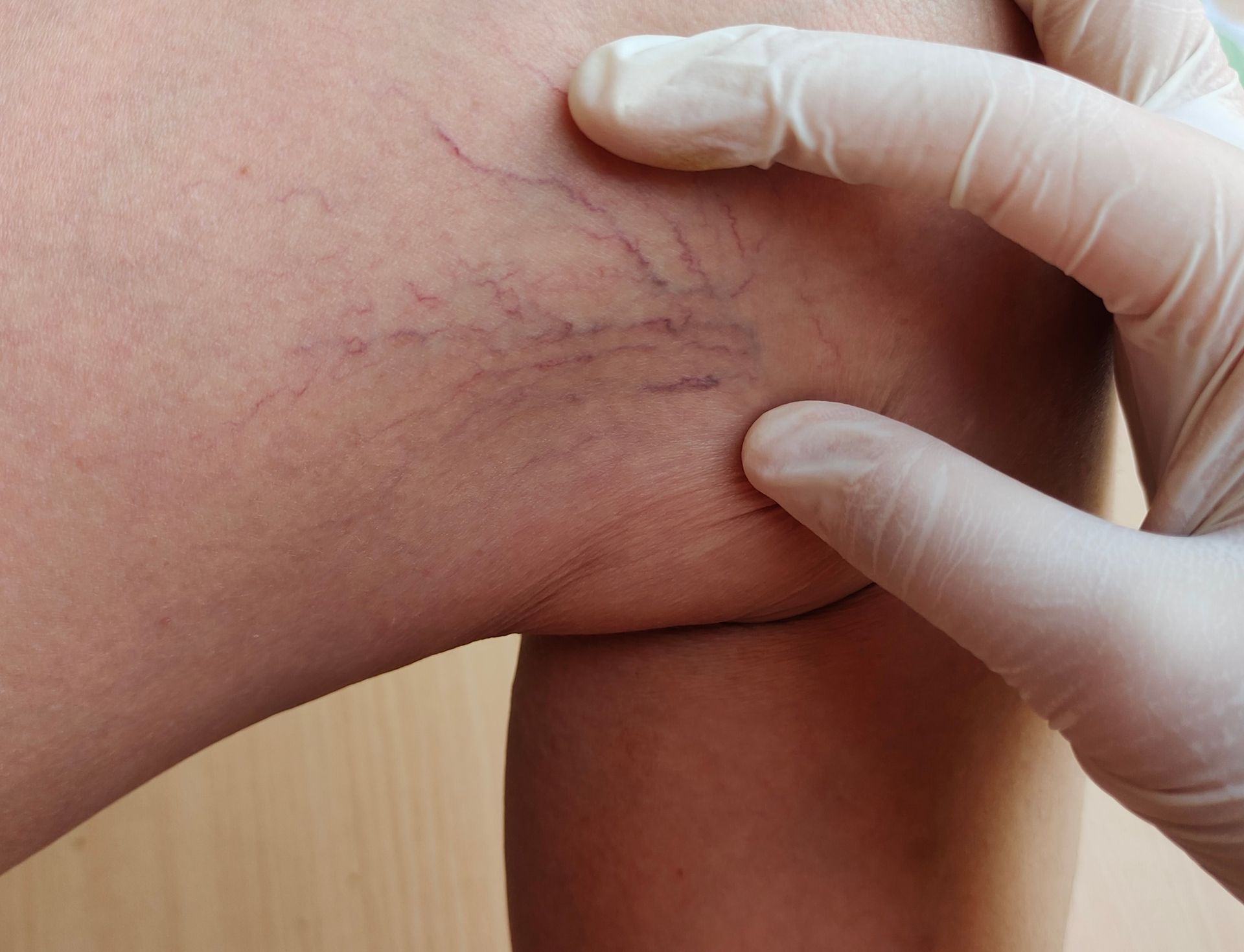
Sclerotherapy targets veins differently from thermal ablation. A sclerosant medication is injected directly into the affected vein under ultrasound guidance. The solution irritates the vein lining, causes it to collapse and seal, and the body gradually absorbs the treated vein over time.
Sclerotherapy is often used for smaller varicose veins or for residual veins remaining after EVLA or RFA. It can also serve as a standalone treatment when vein size or anatomy makes thermal ablation less suitable. Good candidates typically include patients with smaller varicose veins or residual veins left after EVLA or RFA treatment. Multiple sessions may be needed depending on the number of veins being treated.
Recovery is generally brief. Mild bruising or swelling typically resolves within a few days. Compression stockings after the procedure help the treated vein stay closed and support healing.
Insurance may cover sclerotherapy when the procedure is medically necessary and symptoms are documented. Purely cosmetic treatment for surface veins is typically not covered. A vein treatment clinic can help clarify whether your symptoms meet coverage criteria before you move forward.
Side-by-Side Comparison at a Glance
EVLA
Pros: Treats larger varicose veins effectively using laser heat delivered through a fiber; often requires just one session; often covered by insurance when symptomatic.
Cons: Performed under local anesthesia; recovery takes a few days and requires compression.
RFA
Pros: Treats larger varicose veins effectively using radiofrequency heat delivered through a catheter; often requires just one session; often covered by insurance when symptomatic.
Cons: Performed under local anesthesia; recovery takes a few days and requires compression.
Sclerotherapy
Pros: Requires no or only a topical anesthetic; recovery is brief; covered by insurance when documented as medically necessary.
Cons: Generally reserved for smaller varicose veins; relies on a sclerosant injection; may require multiple sessions; compression is still recommended during recovery.
Which Treatment Is Right for Me?
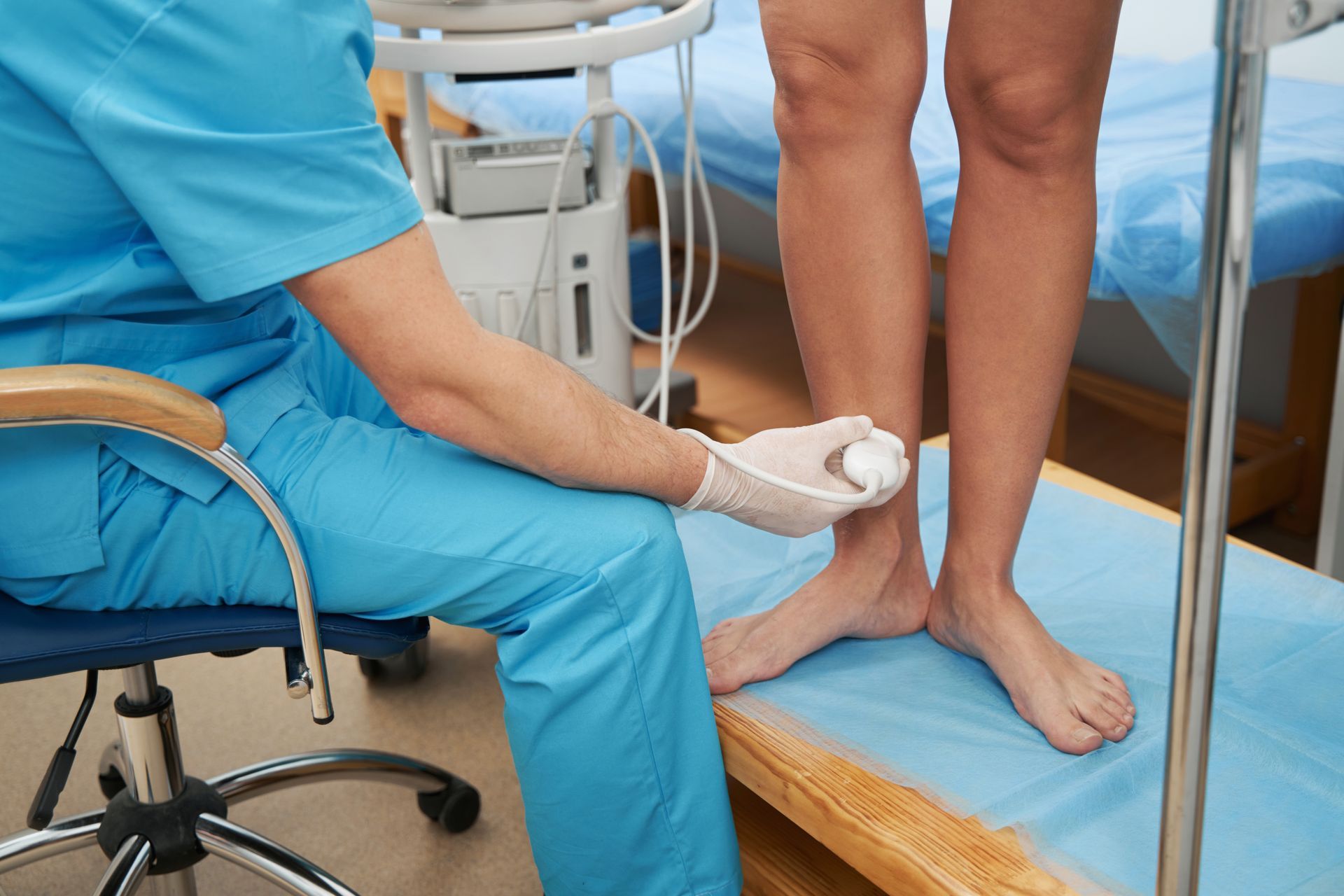
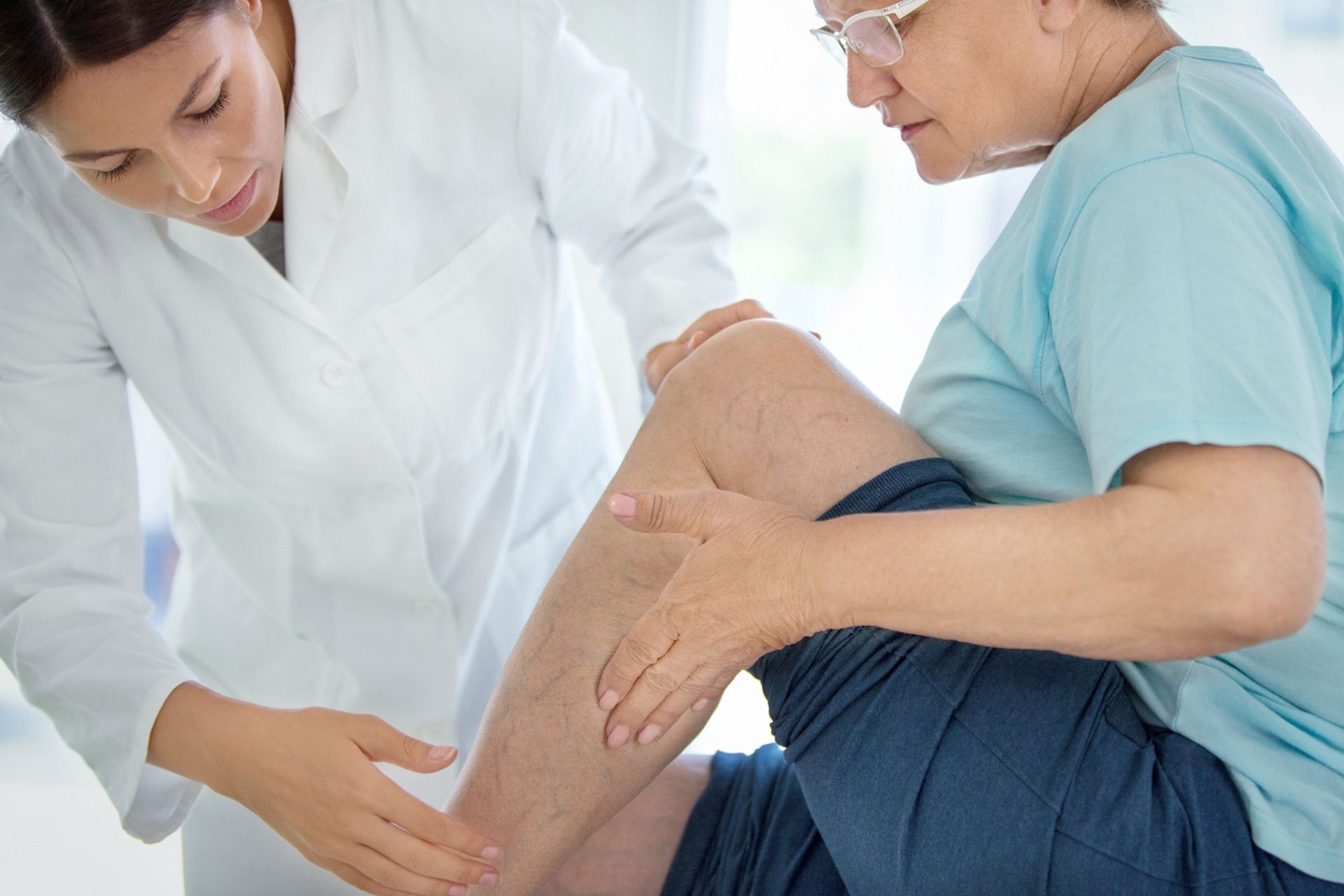
The right treatment depends on vein size, location, severity, and your overall health. A vein specialist can evaluate your condition using duplex ultrasound, which maps vein function and identifies affected veins. EVLA and RFA tend to be recommended for larger veins with underlying venous reflux, while sclerotherapy may work better for smaller or residual veins.
How Many Sessions Will I Need?
EVLA and RFA often require a single treatment session per vein, though additional sclerotherapy may address smaller surrounding veins. Sclerotherapy alone may require a series of sessions depending on the extent of the condition.
Does Insurance Cover These Procedures in Illinois?
Coverage generally depends on whether treatment is deemed medically necessary. Most major insurance plans may cover EVLA, RFA, and sclerotherapy when symptoms such as pain, aching, swelling, or documented venous insufficiency are present. Purely cosmetic treatment is typically not eligible. A vein treatment clinic can help verify coverage before care begins.
Take the Next Step Toward Healthier Veins
Residents of Buffalo Grove, IL, have access to minimally invasive, evidence-based options that relieve vein-related discomfort and improve circulation without major surgery. Shapiro Vein Center offers EVLA, RFA, and ultrasound-guided sclerotherapy as part of a comprehensive varicose vein treatment plan tailored to each patient's needs. The team can help verify insurance coverage and guide you through your options step by step.
To get started,
contact us or visit
Shapiro Vein Center to request a consultation today.