Vein Treatment Center Guide: Does Insurance Cover Varicose Vein Procedures?
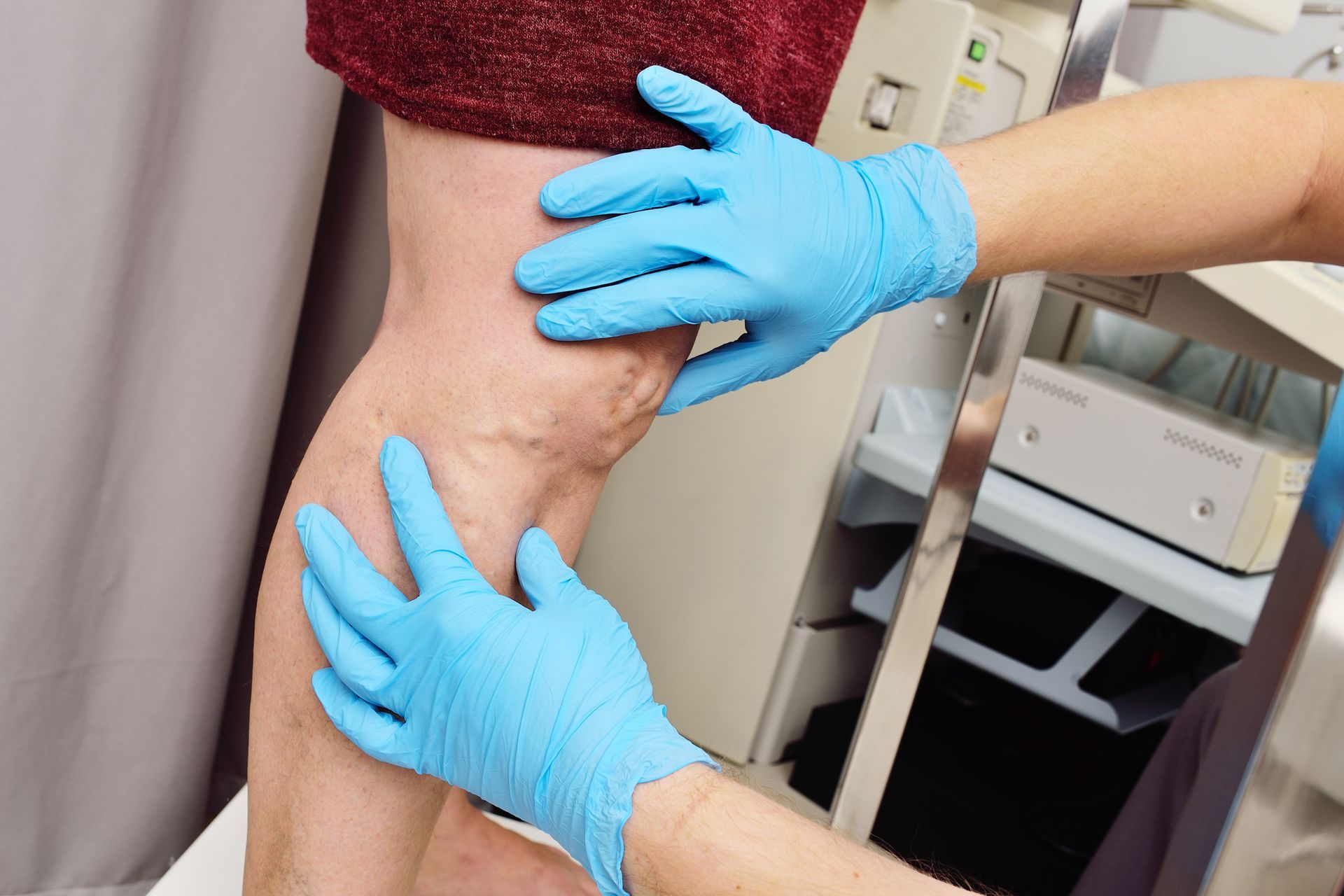
This guide covers how insurance coverage for varicose vein procedures works, why it matters for patients visiting a vein treatment center, and what steps can improve your chances of approval. Many people in the Chicago, IL, area delay getting help for painful leg veins because they worry about the cost. Understanding how coverage decisions are made can remove that barrier and help you move forward with confidence.
Medically Necessary vs. Cosmetic: The Core Distinction
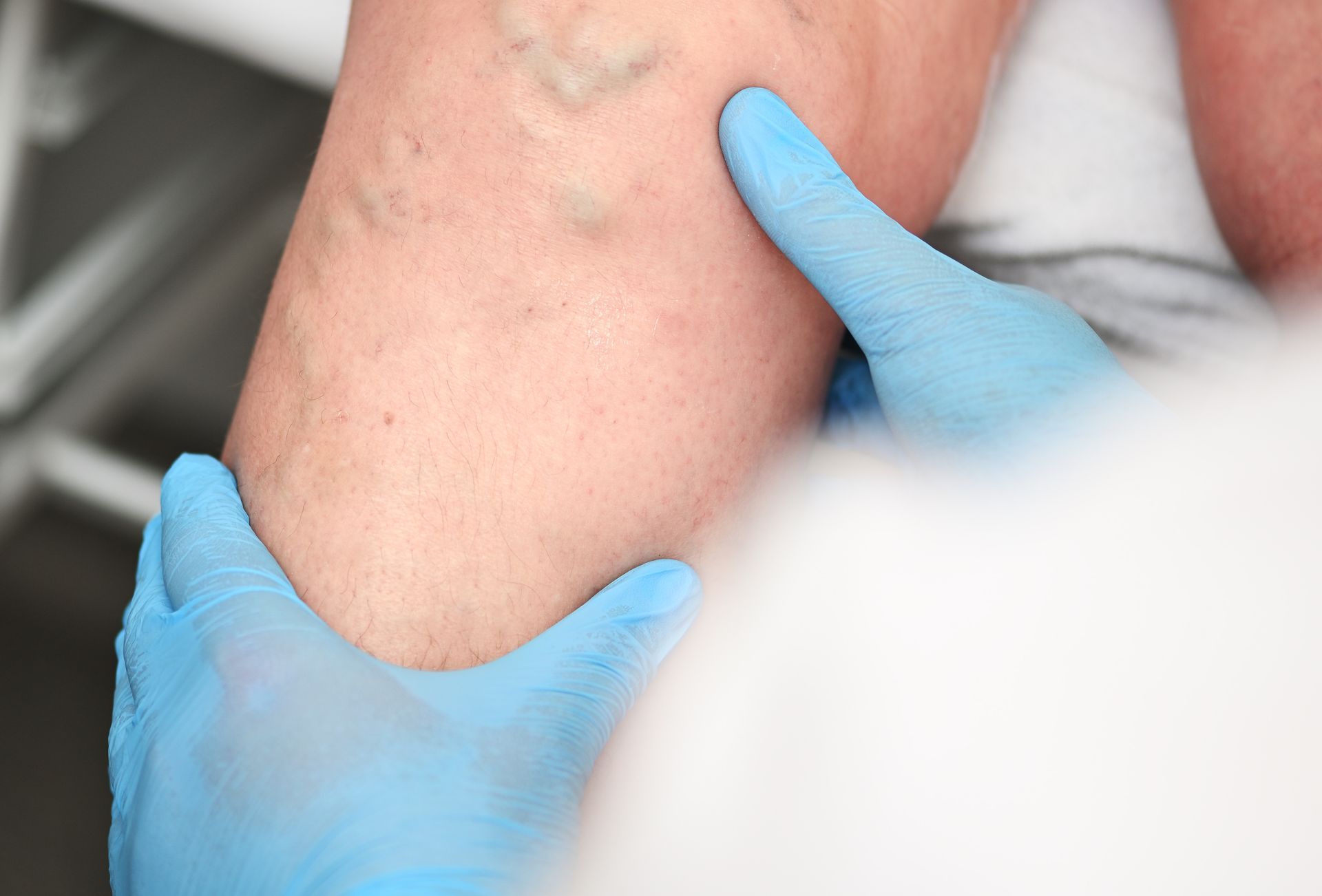
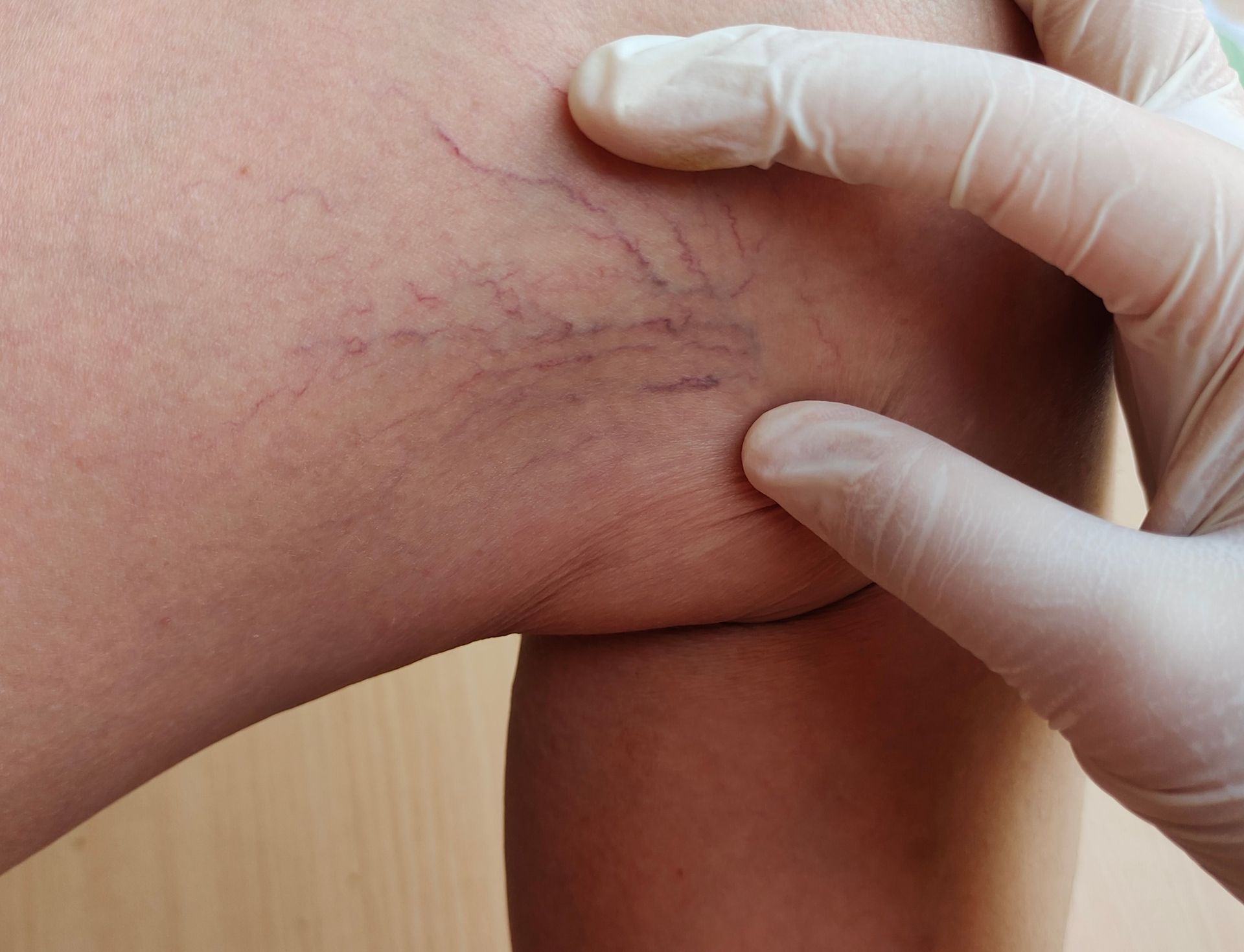
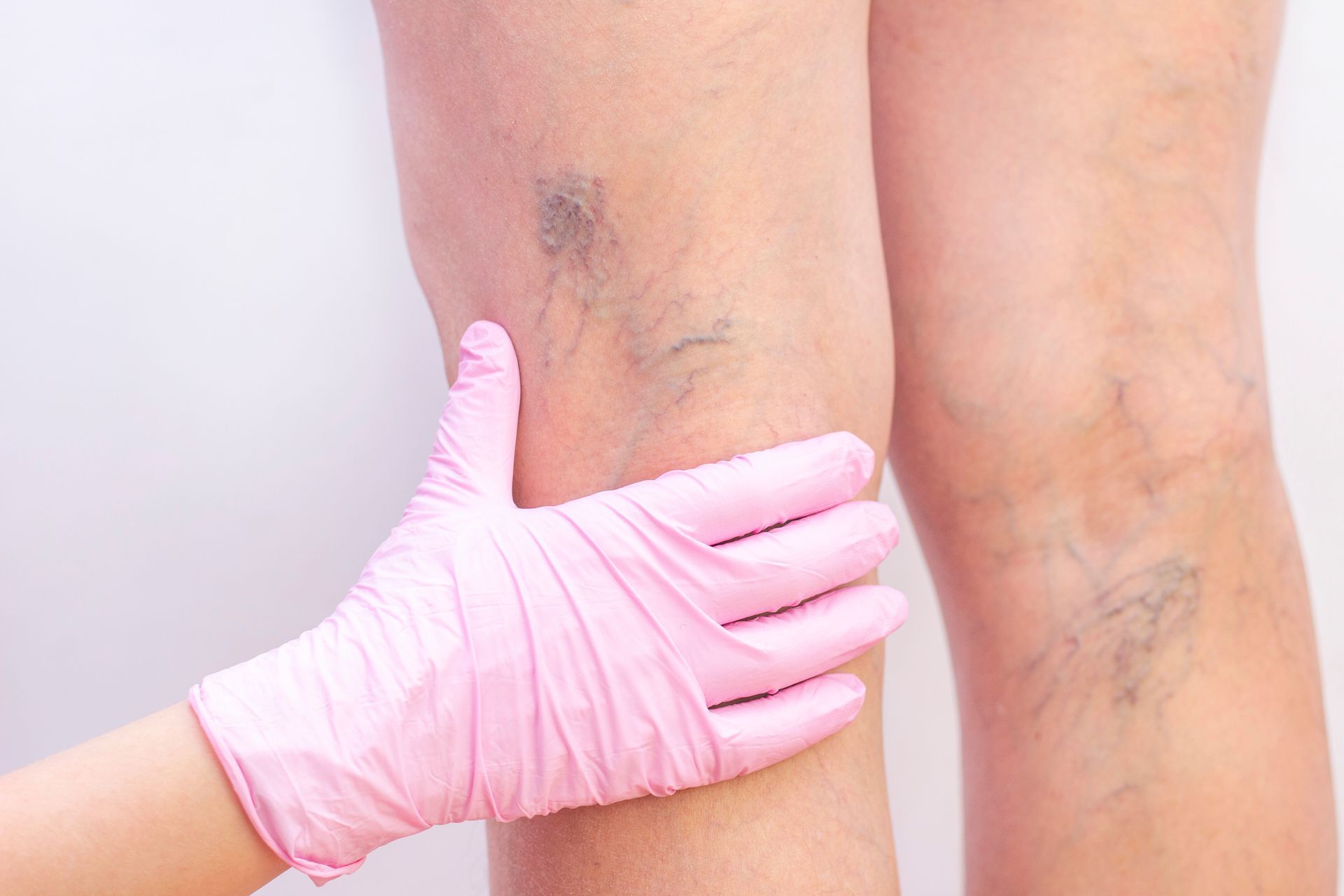
Most insurance plans separate vein treatment into two categories: medically necessary and cosmetic. If your varicose veins cause pain, swelling, heaviness, skin changes, or circulation problems, they may qualify as a medical condition. If treatment is sought solely for appearance, coverage is unlikely.
This distinction matters because it determines everything that follows. Insurers want documented proof that your veins are affecting your health, not just your appearance. A board-certified vein specialist at a vein treatment center can evaluate your symptoms and help determine which category your condition falls into before you ever submit a claim.
What Does Medical Necessity Actually Require?
Medical necessity for vein treatment typically rests on three pillars: documented symptoms, objective diagnostic evidence, and a demonstrated trial of conservative care.
Symptoms that insurers look for include:
- Persistent leg pain, aching, or heaviness affecting daily function.
- Swelling around the ankles or lower legs, especially after standing.
- Skin discoloration or thickening near the ankle.
- Cramping or restlessness in the legs, particularly at night.
- Open sores or ulcers near the ankle in advanced cases.
Simply having visible veins is not enough. You need functional symptoms that impact your quality of life.
How Ultrasound Findings Trigger Coverage
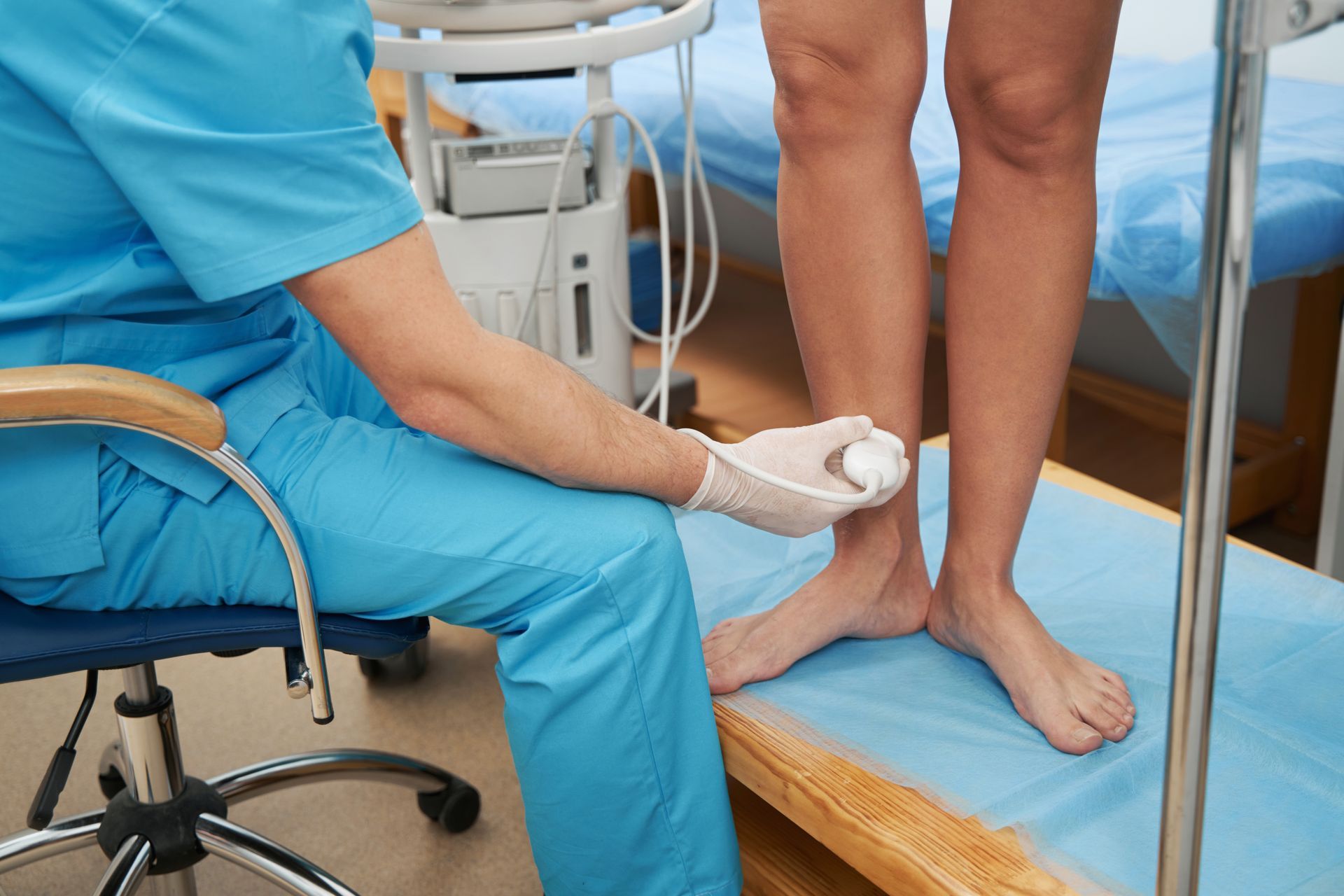
Duplex ultrasound is the gold standard for confirming vein disease. Insurers use ultrasound results to look for venous reflux, which is backward blood flow caused by faulty vein valves. When reflux is confirmed, it provides the objective evidence insurers need to approve a claim. Insurance will reimburse a high percentage of the treatment cost if there is a documented problem of venous insufficiency with associated symptoms. A qualified vein specialist at a reputable vein treatment center can provide the diagnostic and procedure codes needed for pre-certification by your insurance company.
The Conservative Therapy Requirement
Most insurance plans require proof that you have tried conservative measures before approving procedures. This typically means wearing compression stockings consistently for a set period, often several weeks. Insurance providers often require that conservative treatments like compression stockings, exercise, and leg elevation be tried for a specified period before approving outpatient procedures.
Keep records of your compliance. This includes physician notes, purchase receipts for compression stockings, and any symptom diaries you maintain. Without this documentation, claims can be denied even when symptoms are genuinely severe.
Medicare Coverage for Varicose Vein Procedures
Medicare Part B may cover minimally invasive treatments such as radiofrequency ablation (RFA), endovenous laser ablation (EVLA), and ultrasound-guided sclerotherapy when they are deemed medically necessary. Varicose vein treatment is only covered for veins that cause symptoms and have ultrasound characteristics of chronic venous insufficiency. Medicare also covers one pre-procedure duplex ultrasound scan to establish medical necessity before a procedure is approved.
Medicare will not typically cover procedures performed for cosmetic reasons alone. If you have a Medicare Advantage plan, verify coverage directly with your plan provider, as benefits can vary. Choosing an accredited vein treatment center ensures your care meets the documentation standards Medicare requires.
Common Reasons Insurance Claims Get Denied
A denial is not always the end of the road. Most vein treatment denials are procedural rather than clinical, meaning they often result from paperwork issues rather than a true lack of medical need.
Typical reasons for denial include:
- Insufficient documentation of symptoms in the medical record.
- A trial of conservative therapy that was not long enough or was not properly documented.
- Ultrasound findings that did not meet the insurer's specific reflux criteria.
- Administrative coding errors during the claims process.
If you receive a denial, your vein specialist can initiate an appeal. This process may involve a peer-to-peer review, where your physician speaks directly with the insurance company's medical director to advocate on your behalf. Many initial denials are overturned during the appeals process.
How to Verify Your Benefits Before Your Appointment
Taking a few steps before your first visit to a vein treatment center serving Chicago, IL, can save significant time and stress later.
- Call your insurance provider with your policy number and ask specifically about varicose vein treatment coverage.
- Ask whether your vein specialist is an in-network provider, since out-of-network care may cost more or may not be covered.
- Request information about your deductible, co-pay, and any pre-authorization requirements.
- Ask the vein treatment center to assist with insurance verification before your procedure is scheduled.
Getting written confirmation of coverage details gives you a clearer picture of what to expect financially.
Take the Next Step Toward Covered Vein Care in Chicago
Shapiro Vein Center, serving the greater Chicago area, works with a large variety of insurance companies to help patients access the vein care they need. The team can assist with insurance verification, provide the diagnostic and procedure codes needed for pre-certification, and guide you through the coverage process from start to finish. Whether you are exploring varicose vein treatments or ready to take action, expert guidance is available.
Do not let insurance uncertainty delay the relief you may already qualify for. Visit
Shapiro Vein Center to learn more, or
contact us to schedule your consultation.